
Key Takeaways
- Comprehending methods for avoiding winter drainage issues
- Efficient strategies for managing winter drainage
- External solutions for winter runoff
- Care suggestions for winter drainage systems
- Expert assistance for handling winter drainage concerns
Understanding Winter Drainage Prevention
Proper winter drainage prevention is crucial for safeguarding properties against the potential damage caused by winter weather conditions. A well-designed drainage system can effectively manage water runoff, preventing flooding and protecting foundations from ground water intrusion. The use of trench drains and storm sewer systems ensures that excess rainfall and melted snow are directed away from structures. Regular maintenance of drains and pipes is essential to keep them clear of debris and blockages, which can lead to serious drainage issues. Effective winter drainage prevention not only protects the property but also extends the lifespan of drainage systems, helping to mitigate long-term repair costs.
Importance of Preventing Winter Drainage Issues
Preventing winter drainage issues is crucial to safeguarding property against potential water damage. During the winter season, heavy snowfall can lead to significant runoff water as temperatures rise, creating a risk of flooding. Unchecked storm runoff can overwhelm plumbing fixtures and water pipes, leading to costly repairs. Homeowners should consider using drain augers and water pumps to manage excess water effectively. Keeping drainage systems clear is vital in ensuring water flows away from structures, preventing hazards like ice dams that can compromise roofs and siding.
The impacts of inadequate winter drainage prevention extend beyond immediate water issues. Ice buildup can obstruct proper drainage, causing water to pool in unwanted areas after heavy snowfall. This not only increases the risk of flooding but can also damage surfaces and harm landscaping. Regular maintenance of drainage systems helps avert these complications, allowing for a smoother transition during thawing periods. Investing in proactive measures, such as winter drainage solutions, protects the integrity of property and reduces the likelihood of extensive repairs in the future.
| Drainage Solution | Description | Benefits |
|---|---|---|
| Drain Auger | A tool used to clear blockages in drains and pipes. | Helps maintain clear drainage paths, reducing flooding risk. |
| Water Pump | A mechanical device capable of transferring water from one place to another. | Effectively removes excess water accumulation in basements or yards. |
| Gutter Guards | Protective coverings for gutters to prevent debris buildup. | Ensures proper water flow and reduces maintenance needs. |
| French Drain | A type of drainage system that redirects surface and groundwater. | Prevents water pooling and protects the foundation of structures. |
Common Winter Drainage Problems
Winter brings a unique set of challenges for homeowners, particularly concerning winter drainage prevention. After an ice storm or heavy rains, water runoff can lead to flooded walkways and yards. Many people overlook the importance of rain gutters, which play a crucial role in directing water away from the home. Without proper drainage, moisture can accumulate, creating problems like ice formation on walkways and potential structural damage. Ensuring proper pipe insulation and effective drainage systems, like french drains, can help mitigate these issues.
Seasonal changes also highlight the risks associated with inadequate winter drainage systems. Showers can exacerbate existing drainage problems, especially if plumbing fixtures like flush toilets are not properly maintained. A professional plumber can assist in identifying vulnerable areas and implementing solutions to prevent water damage. Weather stripping on doors and windows can also contribute to overall winter drainage prevention, reducing the chances of moisture seeping into the home. Proper maintenance and awareness of these common problems can vastly improve the resilience of a property during harsh winter conditions.
Effective Winter Drainage Solutions
Addressing winter drainage prevention is crucial for managing the challenges posed by snow and cold weather. As snow melts, it creates runoff that can overwhelm the existing drainage systems, leading to winter drainage issues. Employing proper techniques, such as the installation of hoses and basins, can effectively redirect this water to prevent pooling and groundwater infiltration. Cold-weather drainage options should include a seasonal drainage system that can handle the fluctuations in moisture. Outdoor drainage maintenance, especially before the winter season, ensures that systems remain functional and ready to cope with melting snow. For homeowners facing persistent problems, consulting with plumbers experienced in cold weather drainage can provide tailored solutions to mitigate risks and enhance drainage performance.
Techniques for Managing Snow and Ice Melt
Managing snow and ice melt effectively is crucial for winter drainage prevention. Property owners should consider implementing outdoor drainage tips that specifically address drainage challenges encountered during colder months. A proper drainage system can mitigate issues like icy outdoor drains and frozen outdoor drains. Effective techniques include using salt or sand to improve traction on slippery surfaces. Establishing a snow removal schedule ensures that snow does not compact, which can lead to more substantial drainage issues down the line.
Creating a free drainage path for melted snow and ice is essential. Adequate grading of landscapes can direct meltwater towards a designated drainage area, preventing pool formation on sidewalks and driveways. Utilizing proper drainage solutions, such as drain mats or channels, can also enhance the efficiency of outdoor drainage systems. Consulting with drainage experts can provide insight into freeze-proof outdoor drainage methods, ensuring a reliable system throughout winter months.
Installation of Drainage Systems
Effective installation of drainage systems is crucial for winter drainage prevention. Many drainage systems are designed with a pre-sloped design to facilitate optimal water flow away from structures. This feature is particularly important in areas where slow drainage can lead to ice formation around the property. Selecting a durable drainage solution, such as advanced drainage technology, ensures that the system withstands harsh winter conditions. Lawn drainage experts recommend incorporating outdoor drains that effectively handle melting snow and prevent water accumulation in vulnerable spots.
Proper outdoor drain installation is essential for maintaining a functional landscape drainage system during winter months. Ensuring that winter pipes are installed correctly can significantly enhance thermal performance drainage. This helps manage runoff and minimizes the risk of freeze-thaw cycles that may damage infrastructure. Regular winter maintenance of these systems increases their longevity and efficiency, providing homeowners with peace of mind throughout the season. Adopting these strategies contributes to overall success in winter drainage prevention.
Outdoor Drainage Solutions for Winter
Finding effective solutions for outdoor drainage is crucial for winter drainage prevention. Proper grading and landscaping around your home can significantly minimize outdoor drain blockages. Ensuring the right outdoor drain is installed helps manage melting snow and rain runoff during harsh winter months. Consulting with a lawn drainage specialist can provide insights into the best practices for maintaining functional drainage systems. Winterizing spigots and ensuring that outdoor water faucets are properly insulated prevents frozen drains from occurring. Regularly checking drain hoses and servicing the HVAC system can also alleviate potential sewer problems. Investing in professional services, like those offered by Pederson Drainage, can greatly enhance your property’s resilience against winter drainage issues.
- Regularly clear leaves and debris from gutters to prevent blockages.
- Consider installing drain grates to manage water flow effectively.
- Use a rain barrel solution to collect and divert excess water.
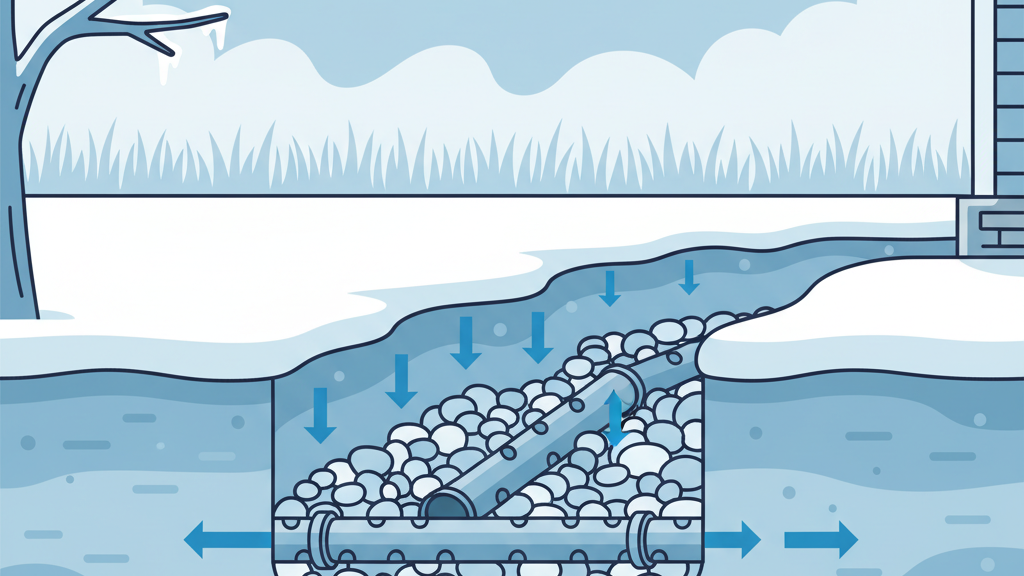
- Install a French drain to redirect water away from your foundation.
- Apply ice melt products judiciously to prevent drainage freeze-ups.
- Ensure downspouts direct water at least five feet away from your home.
- Monitor for ice dam formation and take preventive measures when needed.
Improving Grading and Landscaping
Proper grading and landscaping play a vital role in winter drainage prevention. Properly sloped areas guide cold water away from structures and prevent water pooling. Ensuring the land is graded away from foundations helps avoid issues with frozen drain lines during the cold winter months. Incorporating area drains can significantly enhance local lawn drainage, directing excess water towards designated outlets. This not only minimizes the risk of flooding but also supports efficient integration with municipal storm sewers, crucial for managing winter runoff.
Choosing the right landscaping elements can also contribute to effective drainage management. Installing slotted trench drainage systems can capture water before it accumulates, directing it away from critical areas. This proactive approach reduces the strain on sewer pipes while preventing damage to exposed plumbing. For regions experiencing severe weather, such as in Alaska winter maintenance is essential to ensure an effective drainage system. Consulting with sewer experts can yield tailored solutions to optimize winter drainage prevention and safeguard your property during the winter months.
Utilizing French Drains and Catch Basins
French drains and catch basins serve as essential tools for winter drainage prevention. These systems help manage rain runoff effectively, especially during the late winter months when melting snow can lead to flooding. Grated trench drains capture excess water from outdoor faucets and ensure it flows away from the foundation. Proper installation of these drains can prevent heavy rain from overwhelming sewer lines, reducing the likelihood of floor drains backing up and creating problems from frozen water lines during cold winter weather.
Proper implementation of these drainage solutions protects your property from harsh winter elements. Catch basins collect debris and sediment, ensuring that your drains remain clear and functional. It’s crucial to regularly inspect and clean your drains to prevent blockages that could exacerbate drainage issues. By effectively managing your pipes against the risks posed by cold pipes and frozen water lines, you can maintain a reliable drainage system that withstands the challenges of winter.
Maintenance Tips for Winter Drainage Systems
Effective maintenance is essential for winter drainage prevention, especially during unforgiving winters. Regular inspection and cleaning of outdoor pipes can help identify issues before they escalate. Clogged drains can easily result from accumulated frozen moisture, leading to potential emergencies requiring plumbing services. Winterizing tips should include checking both metal drains and plastic drains for signs of wear or blockages. Utilizing tools like the DrainSoon drain auger can assist in clearing stubborn debris, ensuring proper flow. As harsher winters approach, taking proactive measures, such as flushing with warm water, can significantly enhance the longevity and effectiveness of your drainage systems.
- Regularly inspect drainage systems for wear and blockages.
- Clear debris from grates and inlets to prevent clogs.
- Use warm water to flush pipes and keep them clear.
- Consider insulating exposed pipes to prevent freezing.
- Keep gutters and downspouts free from leaves and snow.
- Monitor weather reports for severe conditions that may affect drainage.
- Schedule professional inspections if you notice recurring issues.
Regular Inspection and Cleaning
Regular inspection and cleaning play a vital role in winter drainage prevention. Cold winters increase the risk of frozen pipes and drain blockages, which can lead to significant damage if not addressed promptly. Heavy rainfall during warmer seasons can cause water to accumulate in different drains, and without proper maintenance, this can result in clogging, especially in tub drains. Seasonal maintenance ensures that all drainage systems are clear of debris and functioning efficiently, reducing the chances of an overflow or freeze during the harsh winter temperatures.
Taking proactive steps to inspect and clean drainage systems can help identify potential issues before they escalate. Paying close attention during snowy weather is essential, as frozen water doesn’t drain efficiently. Regularly unclogging drains and ensuring that groundwater flows properly prevents buildup that could lead to serious problems. Implementing a routine inspection allows homeowners to stay ahead of any winter drainage prevention needs, ensuring a well-functioning water works system throughout the cold months.
Identifying Potential Problem Areas
Regularly inspecting your outdoor spaces during the winter season is crucial for effective winter drainage prevention. Areas where garden snow tends to accumulate can indicate potential problems with drain systems. Any blocking water flow can result in dangerous ice formation as winter sets in. Pay close attention to the paths of drain pipes and the main house sewer as they may become obstructed, leading to issues like water overflowing and freezing conditions.
Cold weather can exacerbate existing vulnerabilities in your drainage system. Evaluating the functionality of components such as pop-up drainage emitters is important. Proper winter selection of materials and techniques can aid in enhancing the overall efficiency of the system. Identifying these problem areas early on can help in preventing costly damages and ensuring optimal performance throughout the season.
Professional Services for Winter Drainage
Seeking expert assistance for winter drainage prevention is essential for maintaining efficient water flow during cold climates. Professionals can address common issues such as ice accumulation and the challenges posed by snow piles that can obstruct drainage systems. They often provide comprehensive plumbing services, ensuring that plumbing pipes remain intact and free from blockages. Issues like cracked drain lines can lead to significant problems, especially in harsh winters where pipes outdoors are at risk of freezing. Regular system evaluations by specialists can help identify potential vulnerabilities, providing peace of mind that your bath sink and other fixtures are protected during the winter freeze.
Hiring Experts for System Evaluation
Cold weather conditions can bring significant challenges to homeowners, especially regarding winter drainage prevention. Plumbing experts recommend a thorough evaluation of drain systems before winter weather hits. Ensuring that freeze-proof drain systems are properly installed can help maintain uninterrupted water flow even during snowy landscapes. Regular inspections are essential, particularly in cold sections of your property where drainage failures may occur.
Cleaning efforts play a vital role in maintaining effective drainage solutions. Professionals can assess and utilize tools like a drain plunger to clear any blockages in the drain line. Preventive measures taken during the colder months can save homeowners from costly repairs in the spring. Investing in expert evaluations allows for tailored solutions that meet the specific needs of your home’s drainage system, ensuring effective winter drainage prevention.
| Service Type | Description | Recommended Frequency |
|---|---|---|
| Drain Inspection | Assess the condition of drainage systems to identify potential issues. | Annually or before winter |
| Drain Cleaning | Remove blockages and buildup in the drain lines to maintain flow. | Biannually |
| Pipe Insulation | Wrap pipes to prevent freezing during cold weather. | Before winter |
| System Upgrades | Install modern, freeze-proof drainage systems for improved performance. | As needed |
Conclusion
Winter drainage prevention is essential to safeguard properties from the damaging effects of freeze-thaw cycles. As temperatures drop, melted water can create significant issues if not properly managed, leading to water pooling and potential flooding. Proper installation of systems like landscape slot drains can help redirect excess water away from walkways and foundations, reducing the risk of problems associated with frozen ground. Regular maintenance, including inspecting institutional plumbing for blockages, ensures that drainage paths remain clear during the winter months. Taking proactive measures for winter drainage prevention not only protects property but also enhances the functionality and safety of outdoor spaces.
FAQS
What are the best practices for winter drainage prevention to manage rain and snow during the winter winter months?
To effectively manage rain and snow during the winter winter months and prevent drainage issues, it’s important to consider durable drainage solutions. This can include installing appropriate outdoor drains that feature a pre-sloped design drainage to facilitate proper water flow. Additionally, ensure that drain hoses are clear of debris and that outdoor spigots are winterized. Regularly service the HVAC system and check for any emergency plumbing needs, especially amidst flooding risks. Companies like Pederson Drainage today can provide expert sewer services and assist in handling how pipes manage rain and other winter drainage concerns. Remember, as ground water freezes, taking proactive steps is crucial to avoid plumbing problems.
How can I effectively winterize my plumbing system, especially regarding drain hoses and spigots, to prevent issues during snow and rainfall?
To effectively winterize your plumbing system and prevent issues during snow and rainfall, you should consider the right drainage solutions. Make sure to winterize spigots properly and check all drain hoses for any leaks or blockages. It’s also essential to service the HVAC system and ensure that drain piping is adequately insulated. Following mountain standard plumbing practices will help you take steps to avoid plumbing issues this winter.
What are some effective steps to take for winterizing spigots and drain hoses to prevent plumbing issues during snow and rain?
To winterize spigots and drain hoses, first, make sure to disconnect and drain any hoses to prevent freezing. It’s advisable to check for leaks and seal any gaps in your plumbing. Additionally, servicing the HVAC system before winter ensures it operates efficiently during colder months. Always take steps to protect your plumbing by checking for vulnerable areas that may be affected by snow and rain.
What actions should I take to winterize spigots and drain hoses while also ensuring I service the HVAC system during the snowy season?
To effectively winterize spigots and drain hoses and service the HVAC system, you can take several steps. First, make sure to drain any water from the drain hoses to prevent freezing, which can cause plumbing issues. Additionally, winterizing spigots involves properly shutting off the water supply and ensuring that they are insulated. Don’t forget to service the HVAC system as well, which may include checking for leaks and ensuring that the system is prepared for the cold months ahead. By taking these winter steps, you can help avoid problems related to plumbing things during snow events.
What things should I consider when winterizing my plumbing, specifically regarding drain hoses and spigots, and how can I incorporate using my snowblower and servicing the HVAC system during this season?
To winterize your plumbing effectively, you should take the necessary steps to protect drain hoses and winterize spigots. Additionally, when preparing for the winter, consider coupling this with snowblower maintenance and ensure to service the HVAC system to avoid last-minute issues related to plumbing in snowy conditions.
What important things should I remember when planning to winterize spigots and drain hoses, as well as service the HVAC system, this winter?
When winterizing your plumbing, it’s crucial to take steps such as properly preparing drain hoses, ensuring that you winterize spigots, and service the HVAC system to avoid any issues during the cold months. Make sure to check for any leaks and insulate exposed pipes to protect them from freezing temperatures.
What are the key things to consider when deciding how to winterize spigots and drain hoses and also service the HVAC system this winter?
When winterizing your plumbing, it’s essential to take steps such as properly draining and insulating your drain hoses, winterizing spigots to prevent freezing, and ensuring that you service the HVAC system for efficient heating during the cold months.
What are some crucial things to remember regarding plumbing when winterizing your spigots and drain hoses, and how can you effectively service the HVAC system as winter approaches?
When preparing for winter, it’s important to winterize spigots and drain hoses to prevent plumbing issues. Make sure to clear the drain hoses of water, disconnect them if possible, and properly insulate any exposed pipes. Additionally, as part of your winter preparation, also service the HVAC system to ensure it operates efficiently during the cold months. Remember these key steps to protect your plumbing and home this winter.
What necessary things should I consider about plumbing as I winter take steps to drain hoses, winterize spigots, and service the HVAC system?
When planning plumbing maintenance for winter, it’s essential to focus on drain hoses to prevent freezing and damage. Additionally, winterizing spigots will help avoid leaks and water damage, while ensuring you service the HVAC system will keep your home warm and functioning efficiently throughout the cold months.
What common things should I keep in mind to effectively winter take steps for the plumbing system, specifically when dealing with drain hoses and how to winterize spigots and service the HVAC system?
When you are preparing for winter, it’s crucial to remember a few key things about plumbing. First, ensure that all drain hoses are properly drained and stored to avoid freezing. Next, winterize spigots by shutting off water supply and insulating them. Additionally, don’t forget to service the HVAC system to ensure it’s efficient during the colder months. These actions will help prevent plumbing issues and maintain the functionality of your home throughout the winter season.